Sara Alessandrini – itinerari religiosi
Via Francigena and Vercelli
with sara alessandrini
Discover the Via Francigena and the ecclesiastical history of Vercelli in the company of Sara Alessandrini, creator of the blog ‘Itinerari Religiosi’. A three-day walk, taking in the jewels of the Grange and the city’s beautiful churches.
Itinerari Religiosi Sara Alessandrini
THE PROJECT
The collaboration with blogger Sara Alessandrini was established with the aim of promoting religious tourism in the Vercelli area, through which the Via Francigena passes, with the city of Vercelli marking its 43rd stage.
‘Itinerari Religiosi’ is a blog created by Sara Alessandrini, whose main aim is to explore religious tourism through the eyes of the pilgrim, focusing on travel arrangements, places to eat and stay, and, above all, the main points of interest in the places visited.
THE ITINERARY
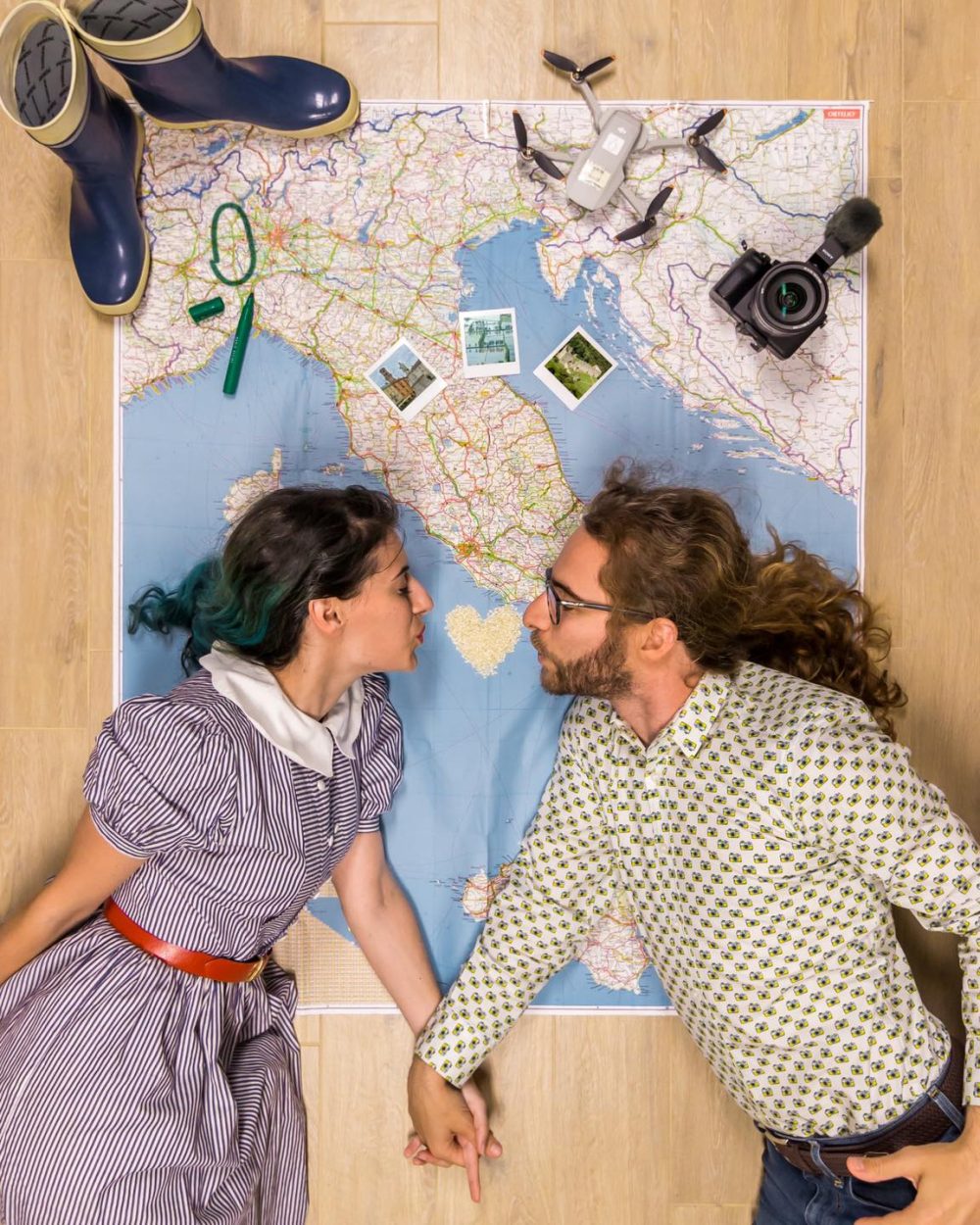
The route for the project, in collaboration with Sara Alessandrini, follows the VA08 route, which runs from Castell’Apertole to Vercelli. This is an official section of the Via Francigena, but it also runs ‘parallel’ to the route from Santhià to Vercelli – the better-known section, mainly used by those coming from Turin. The Castell’Apertole–Vercelli route is known as a stage of the “Valle di Susa” variant. The first day therefore begins in Castell’Apertole, passing the Tenuta Colombara, visiting the abandoned village of Leri Cavour, and reaching the Tenuta Darola. On the second day, there is a detour to Trino Vercellese to explore the Bosco delle Sorti della Partecipanza and the Principality of Lucedio, before resuming the route from Ronsecco, passing through Lignana and arriving at the gates of Vercelli. The third day is devoted entirely to exploring the city’s ecclesiastical history.
vercelli
and la via francigena
Explore every stage of Sara Alessandrini’s journey along the Via Francigena!
day 1: departure from castell’apertole, arrival to darola
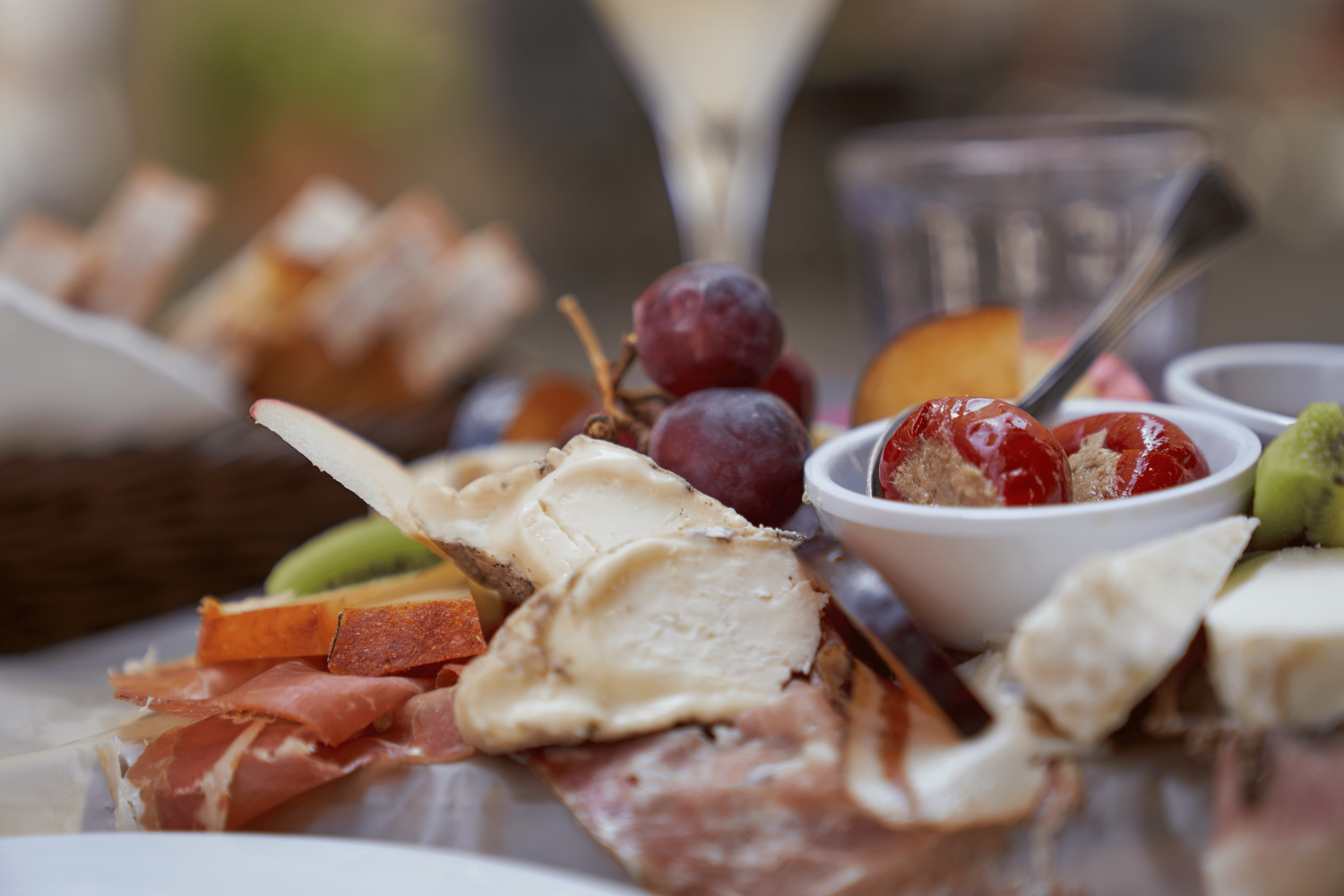
We’re setting off on this journey! But not before enjoying a delicious panissa, of course!
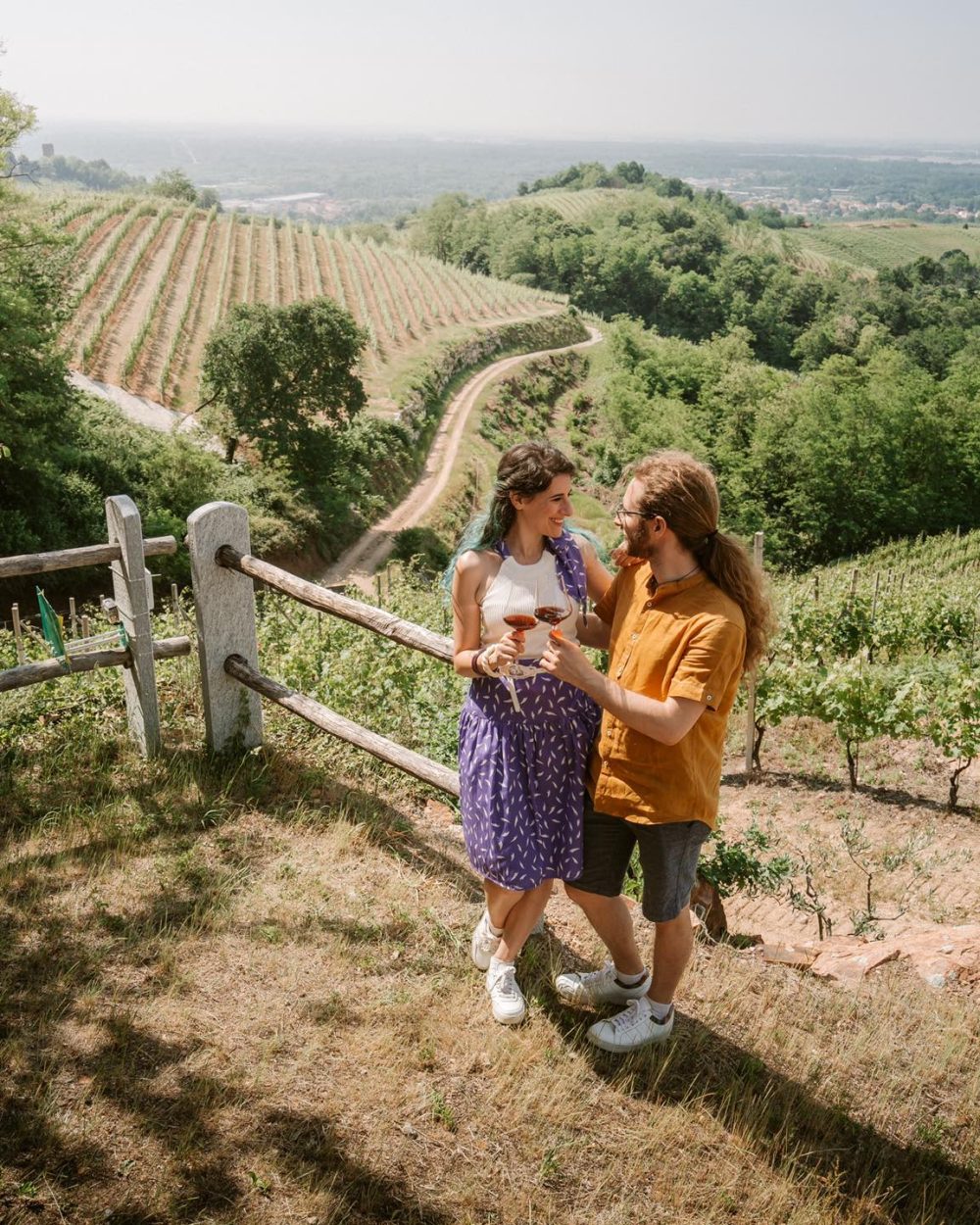
A brief stop in front of the historic Tenuta Colombara, home to the Conservatory of Rice Cultivation, to begin learning about the true history of the Grange and Vercelli rice, and then we set off to explore the Via Francigena.
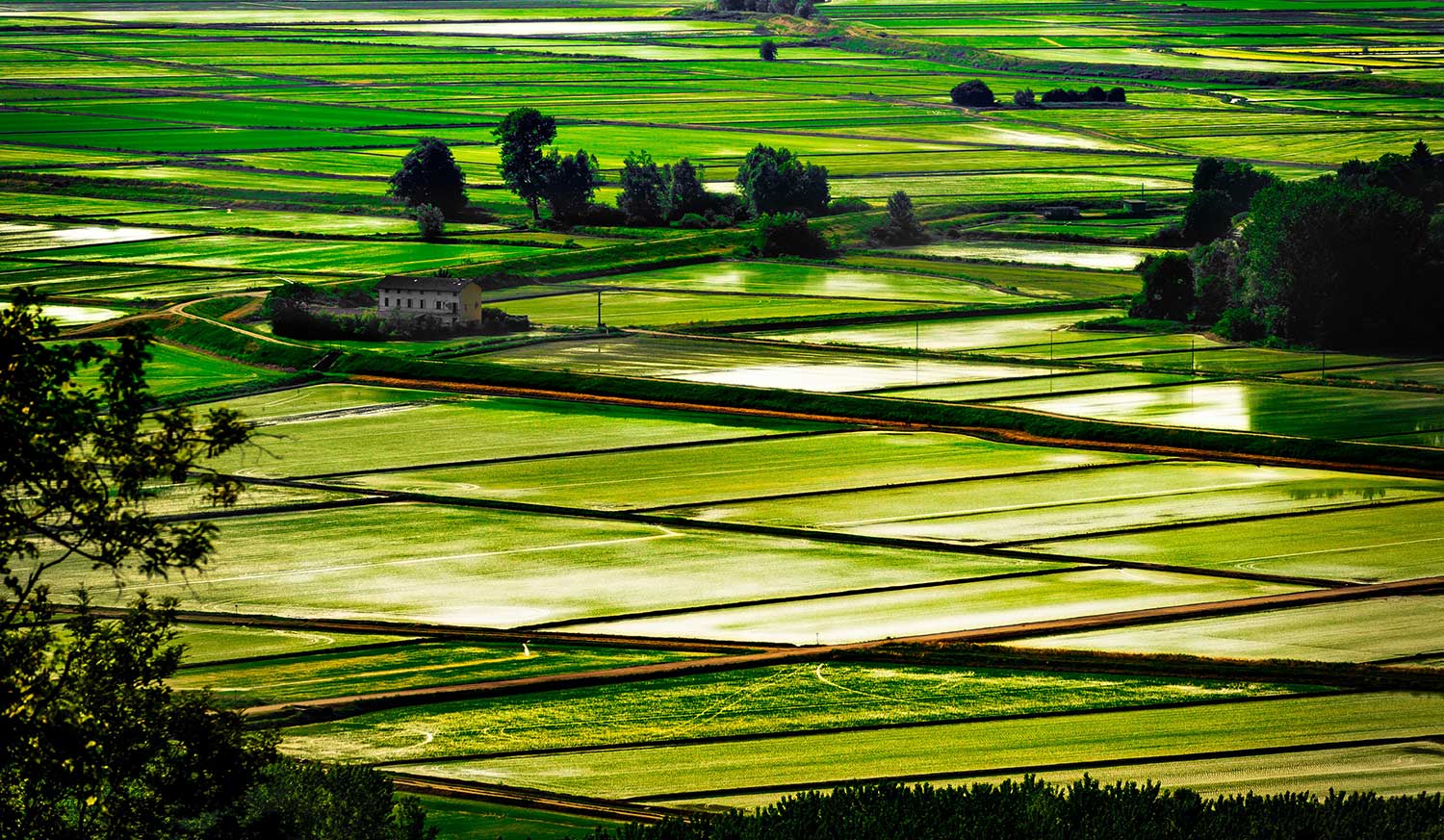
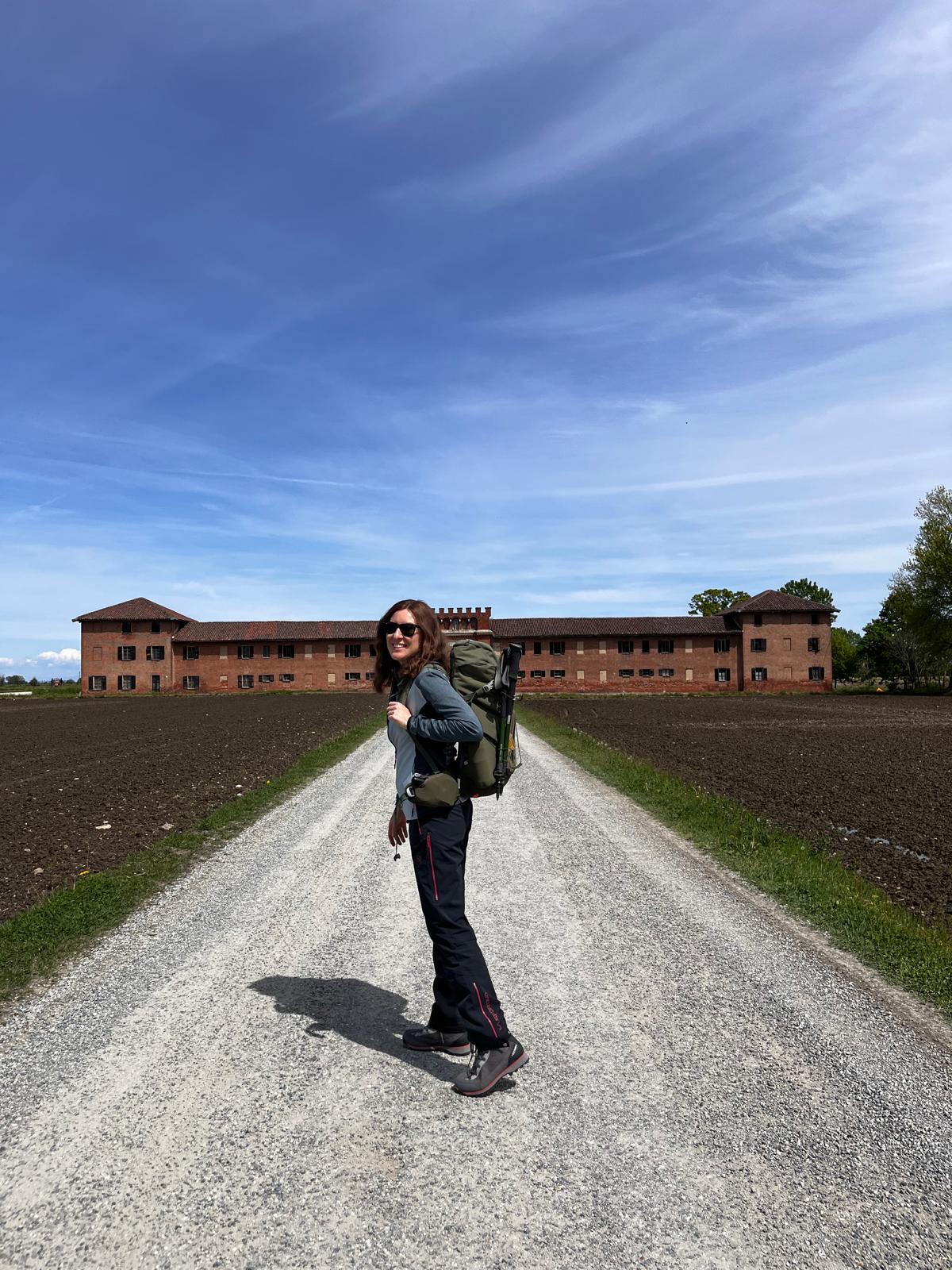
On the first day, Sara Alessandrini explored the Vercelli area in all its authenticity: captivated by the boundless plain and the rice paddies that were gradually beginning to give life to the marvellous ‘checkered sea’.
A visit to the uninhabited village of Leri Cavour, one of the most important granges for rice cultivation in the Middle Ages and later the estate of the Benso family, of which Camillo Benso was a count, and arrival in Darola, in front of the important estate of the same name.
DAY 2, IN THE MORNING: IN TRINO – VISIT TO BOSCO DELLA PARTECIPANZA AND PRINCIPATO DI LUCEDIO
The morning of the second day’s walk is devoted to a detour from the Via Francigena towards the Trino Vercellese area.
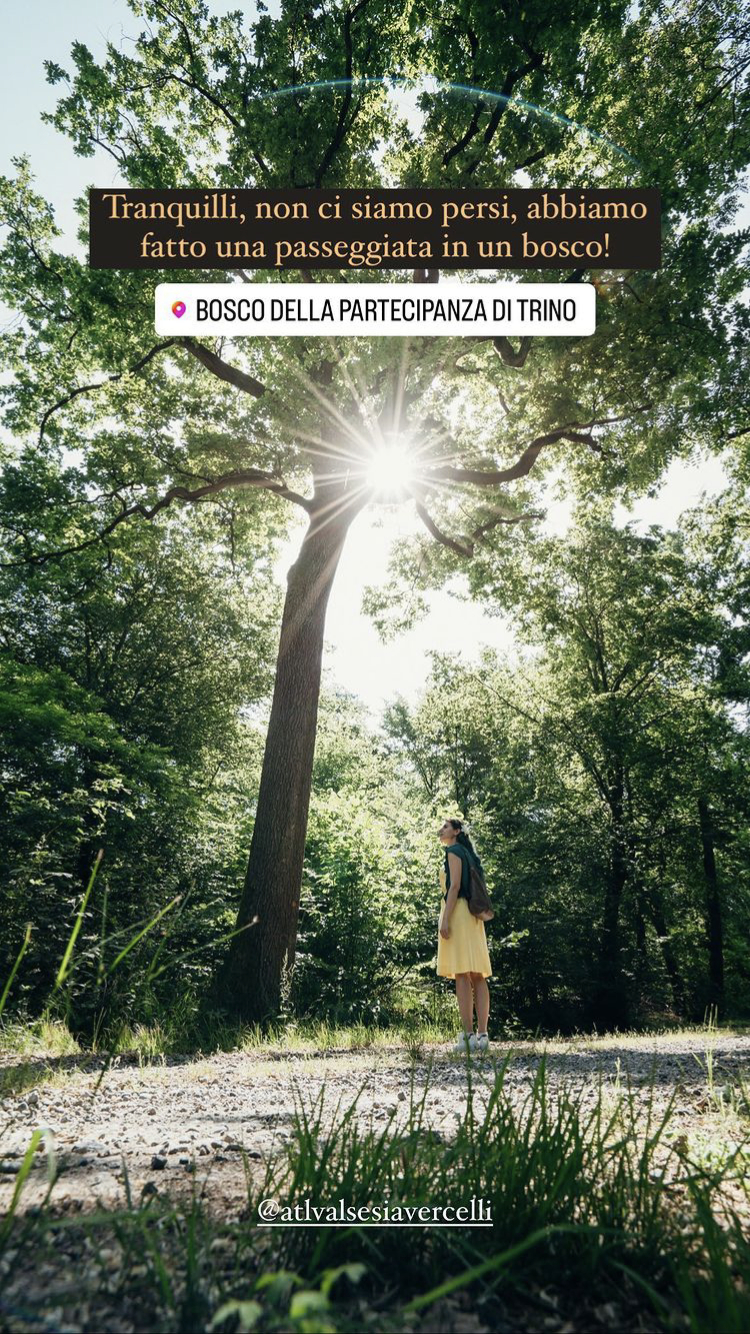
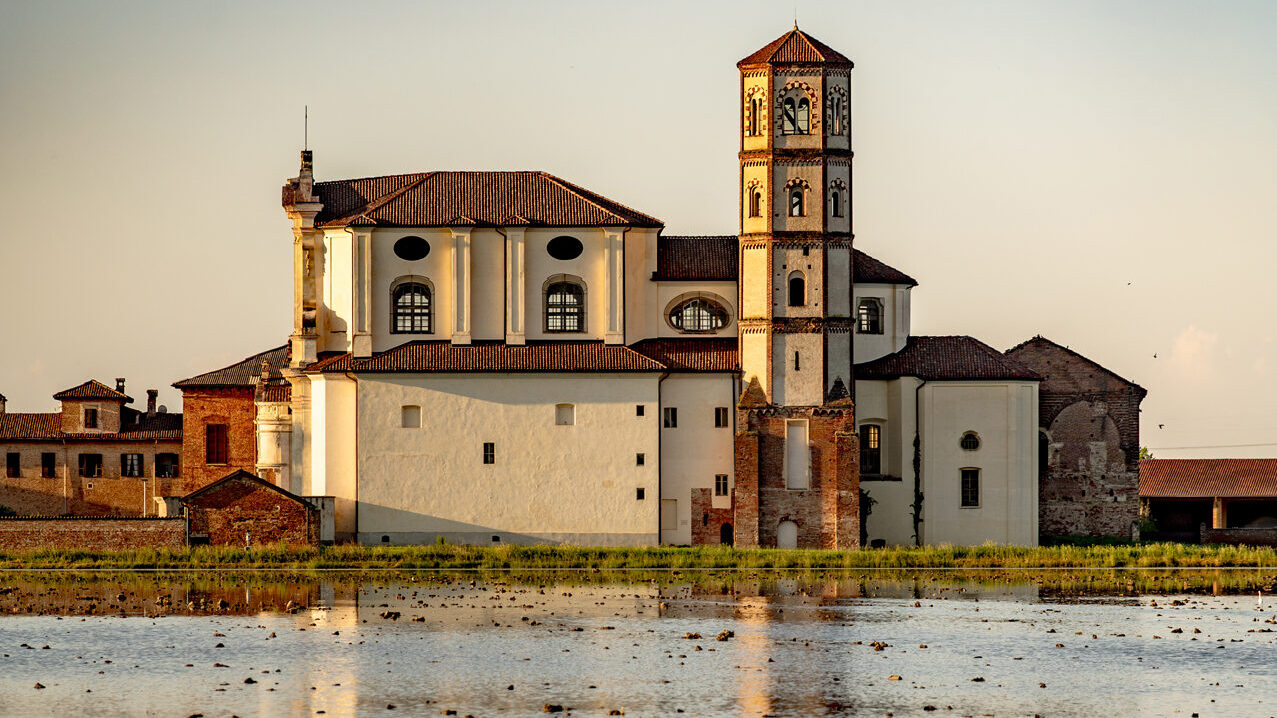
The first stop on the detour is a visit to the Bosco delle Sorti della Partecipanza, also known as the ‘green raft amongst the rice fields’ as it is the last remaining part of the great lowland forest that once covered the Po Valley before the land was reclaimed for rice cultivation in the Middle Ages.
A walk through nature, discovering the wonderful and countless plants that inhabit the forest.
The second stop on the detour: a visit to the Principality of Lucedio, one of the most important estates in the Vercelli area and considered the cradle of Italian rice, featuring the ancient Abbey of Santa Maria, founded by Cistercian monks in 1123. Now a modern working farm open to visitors, it has managed to preserve its characteristic medieval surroundings, where you can enjoy a small but delicious tasting of Vercelli’s signature dish, the ever-so-delicious Panissa!
Return to Trino Vercellese for an excellent meal featuring traditional Piedmontese cuisine, to recharge your batteries and prepare for the next stretch of the Via Francigena in the Vercelli area!
DAY 2 afternoon: path of via francigena across the checkered sea
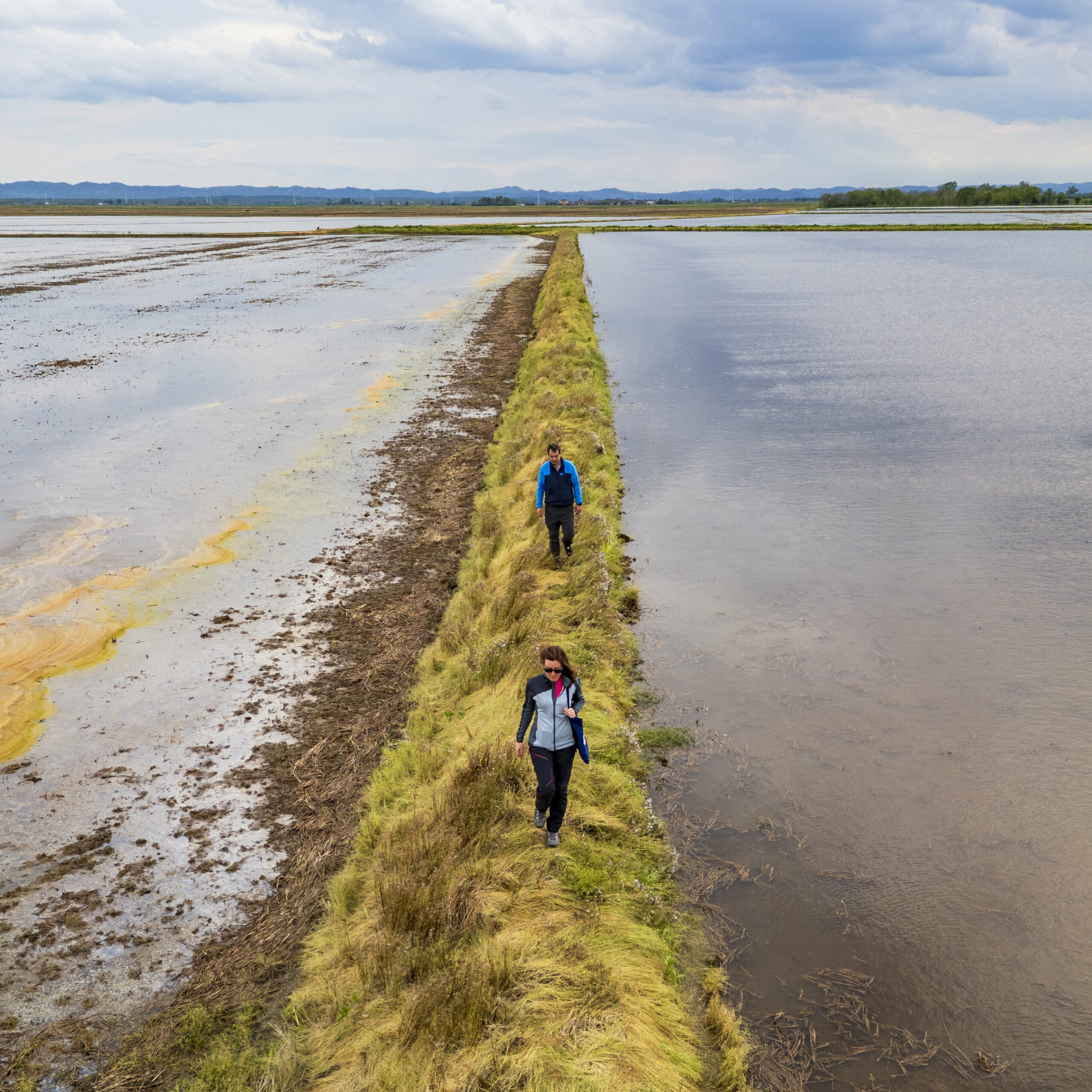
The afternoon of the second day continues with a return to the Via Francigena to explore the villages of the Grange and the rice fields of Vercelli!
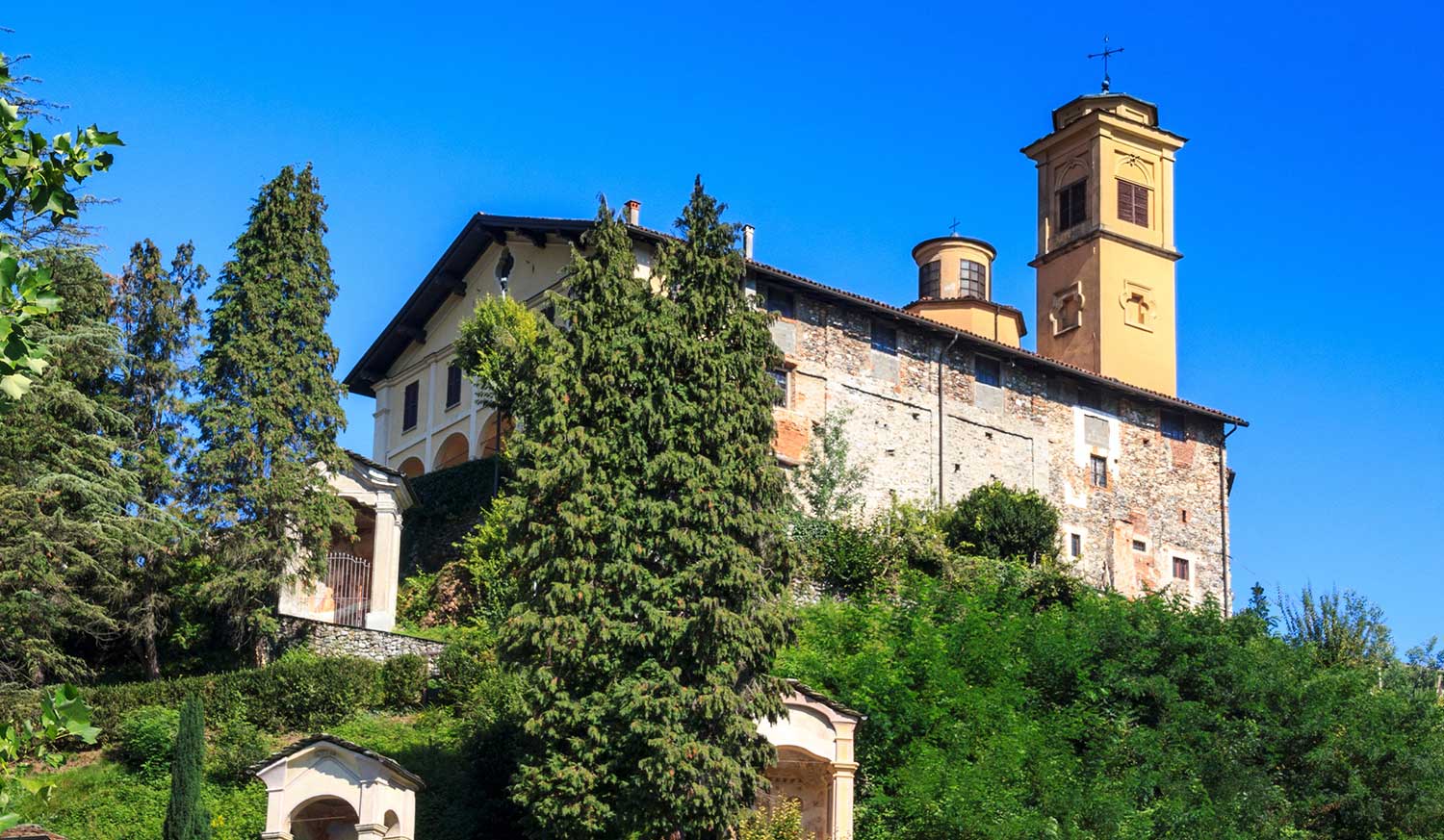
The first stop is in Ronsecco, with a visit to the Sanctuary of the Madonna del Viri Veri, an important historical and religious landmark of the area, and to the Parish Church of San Lorenzo.
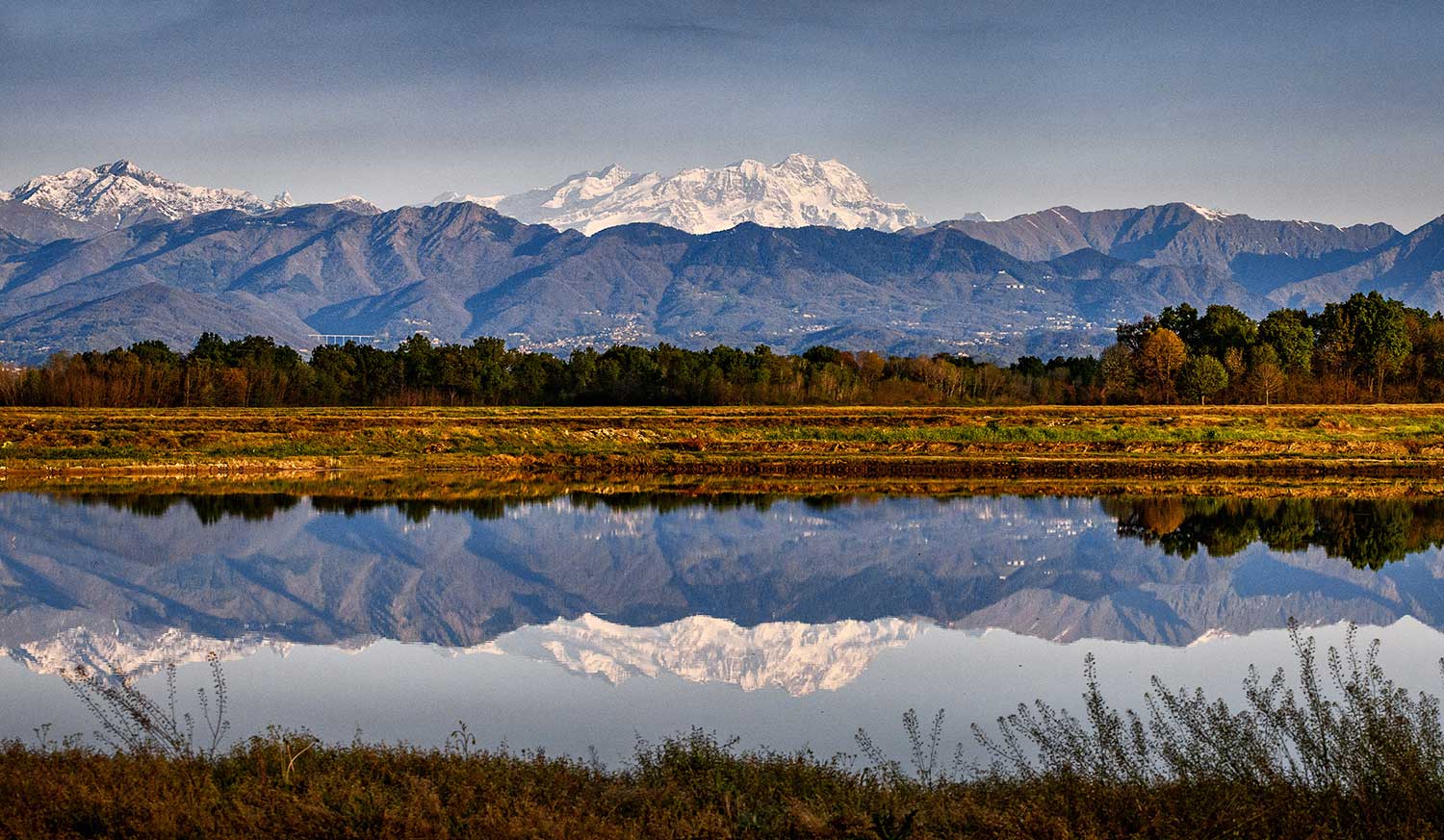
We continue along the Via Francigena route, marked by flooded rice fields that create a striking and enchanting landscape, with beautiful pools of water that create a unique atmosphere, transforming the plain into a veritable ‘checkered sea’.
The second stop is in Lignana, featuring the imposing parish church of San Germano, characterised by the chapel of the Madonna del Rosario.
Leaving Lignana, the route continues through Casalrosso and Larizzate, until finally reaching the outskirts of Vercelli, the 43rd stage of the Via Francigena and a city rich in history, art and culture.
DAY 3: the churches and the history of vercelli
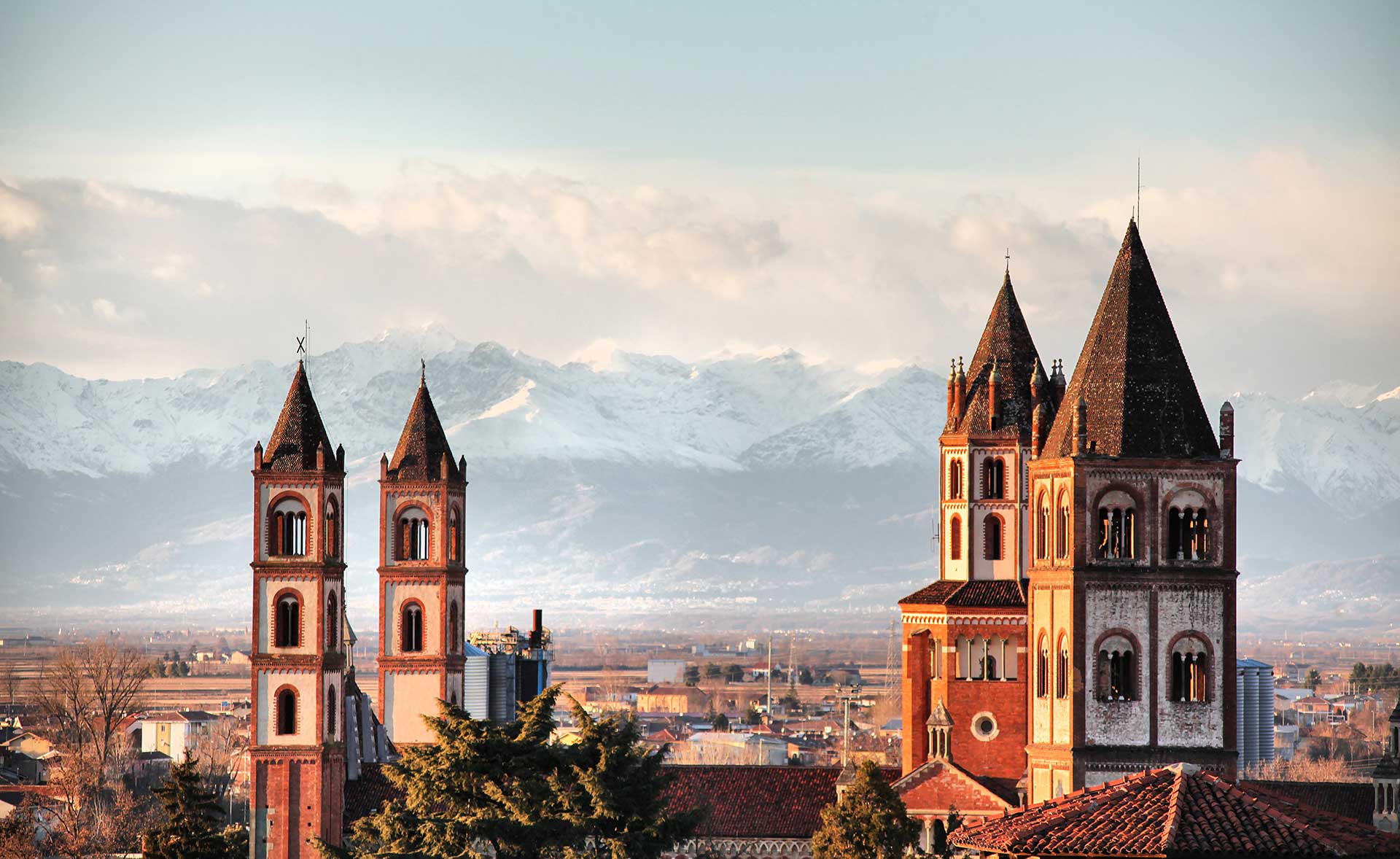
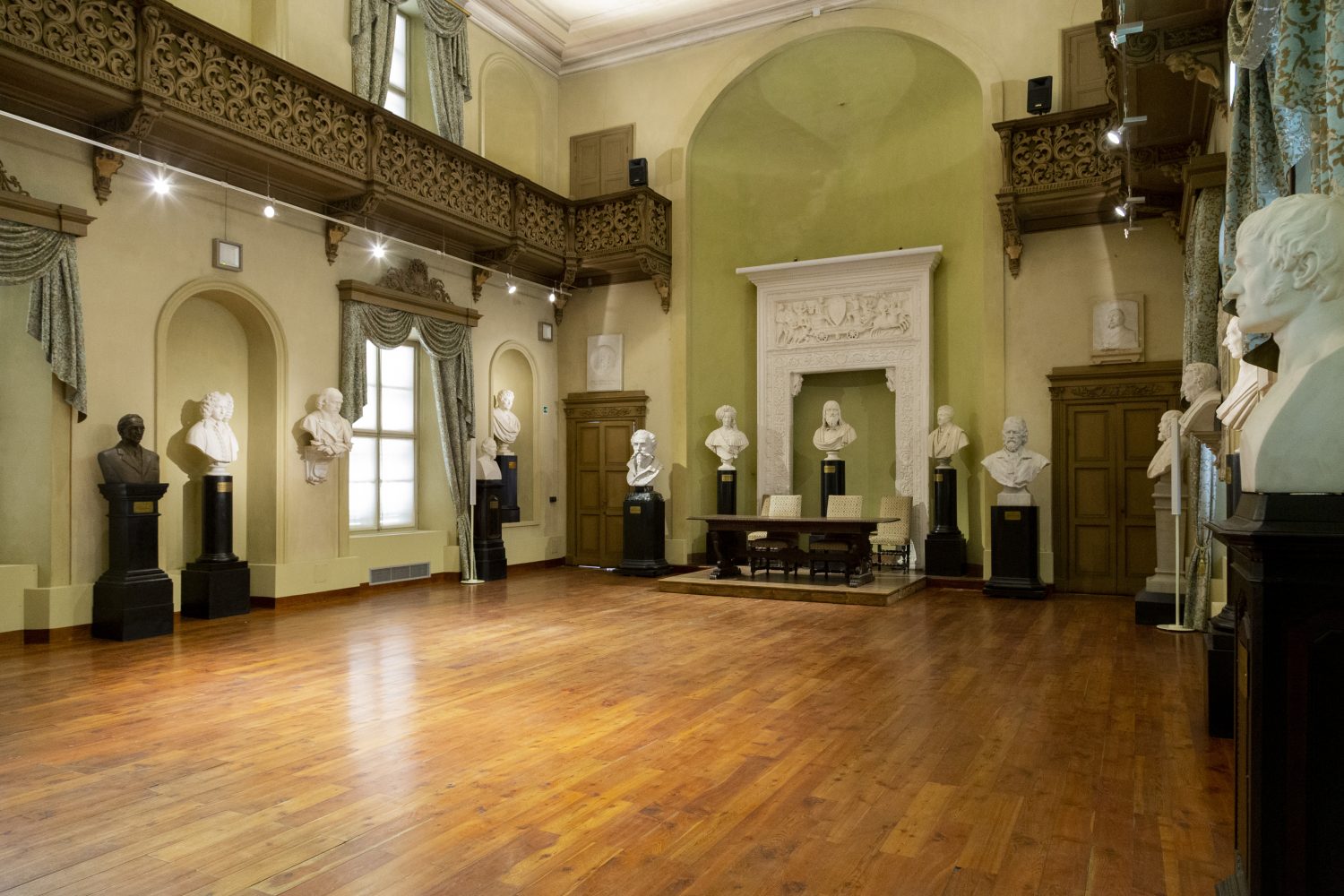
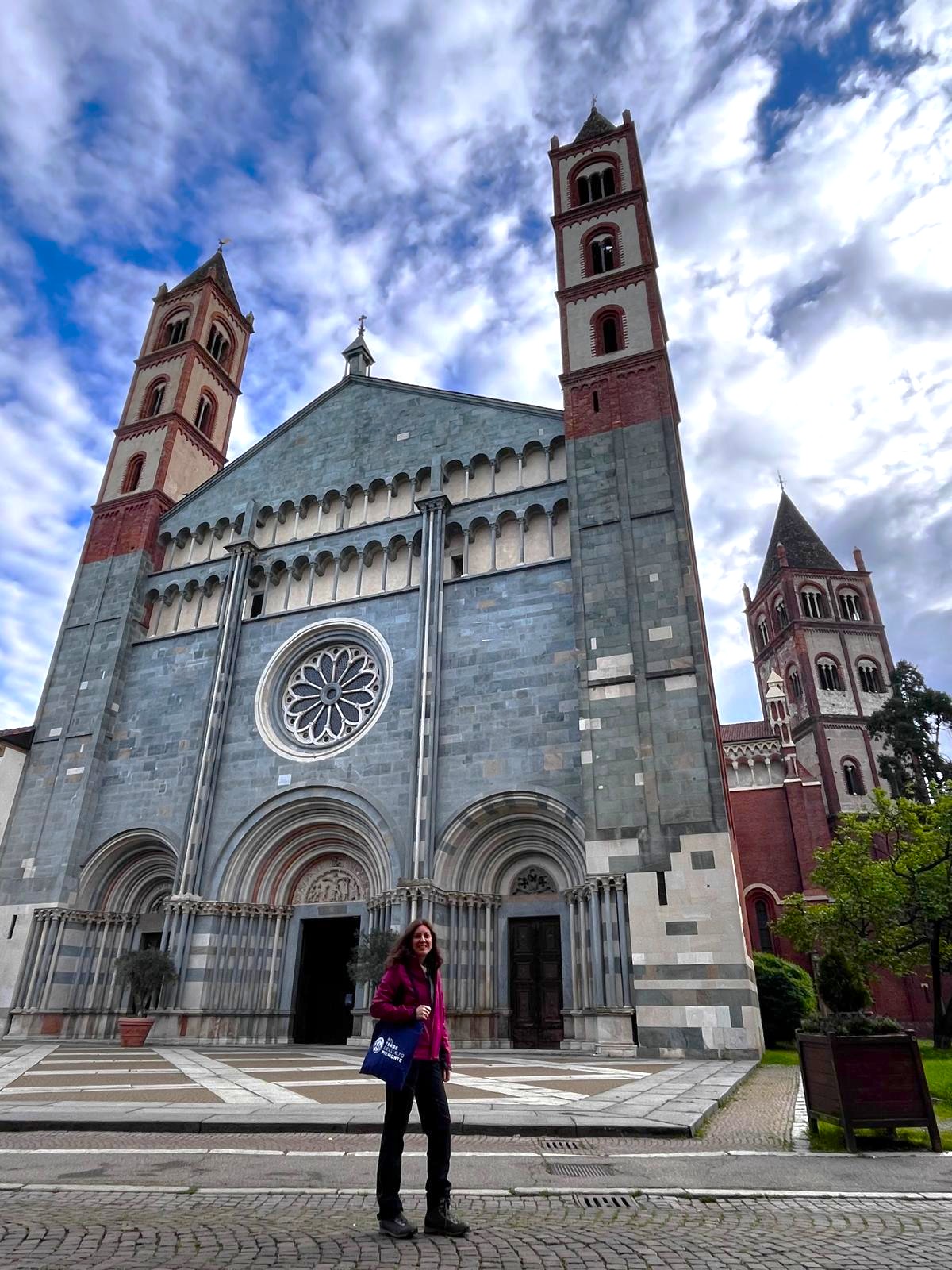
The final stop is the city of Vercelli itself, where you can explore its ecclesiastical history, its fascinating churches and its most important places of worship.
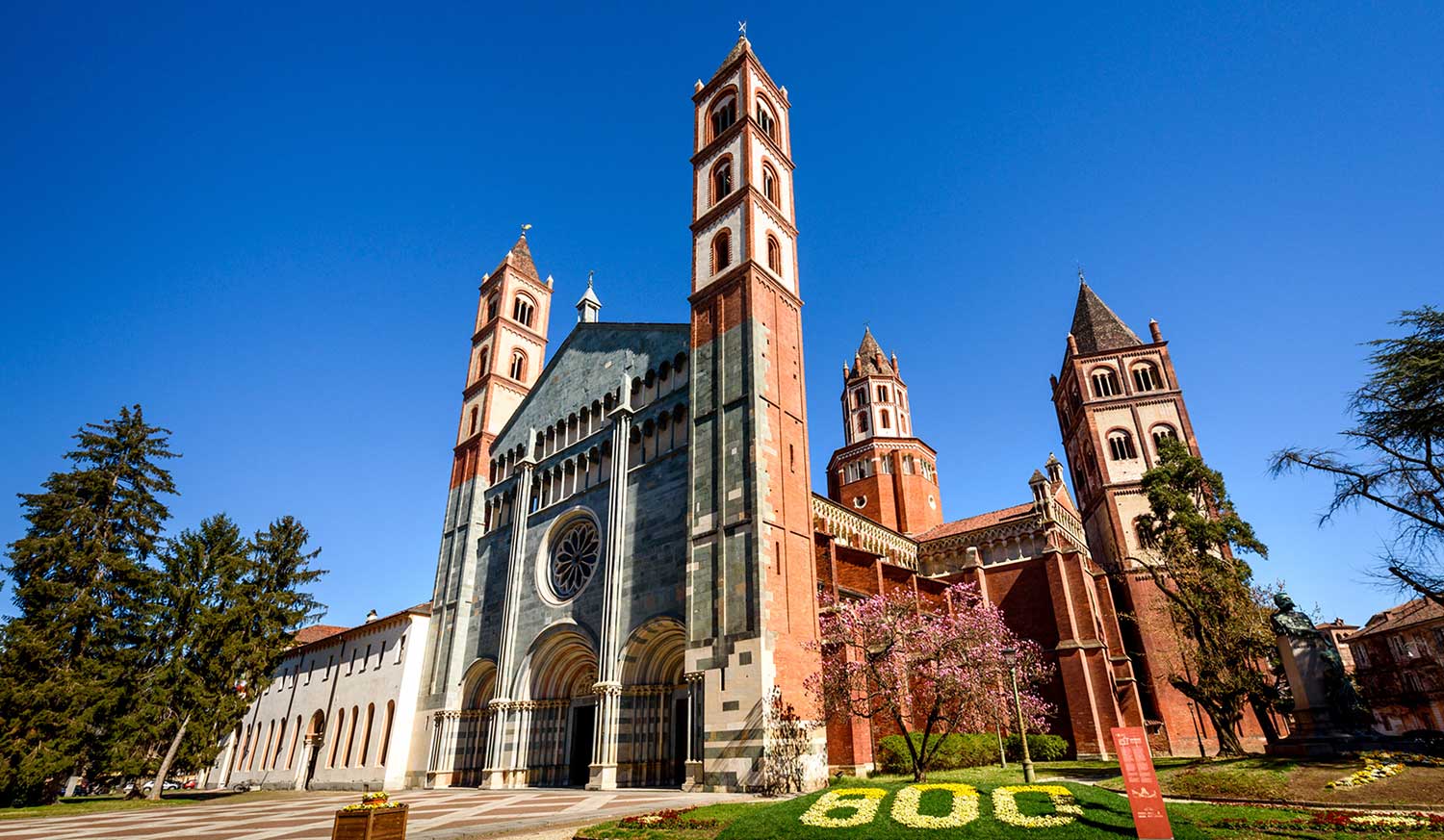
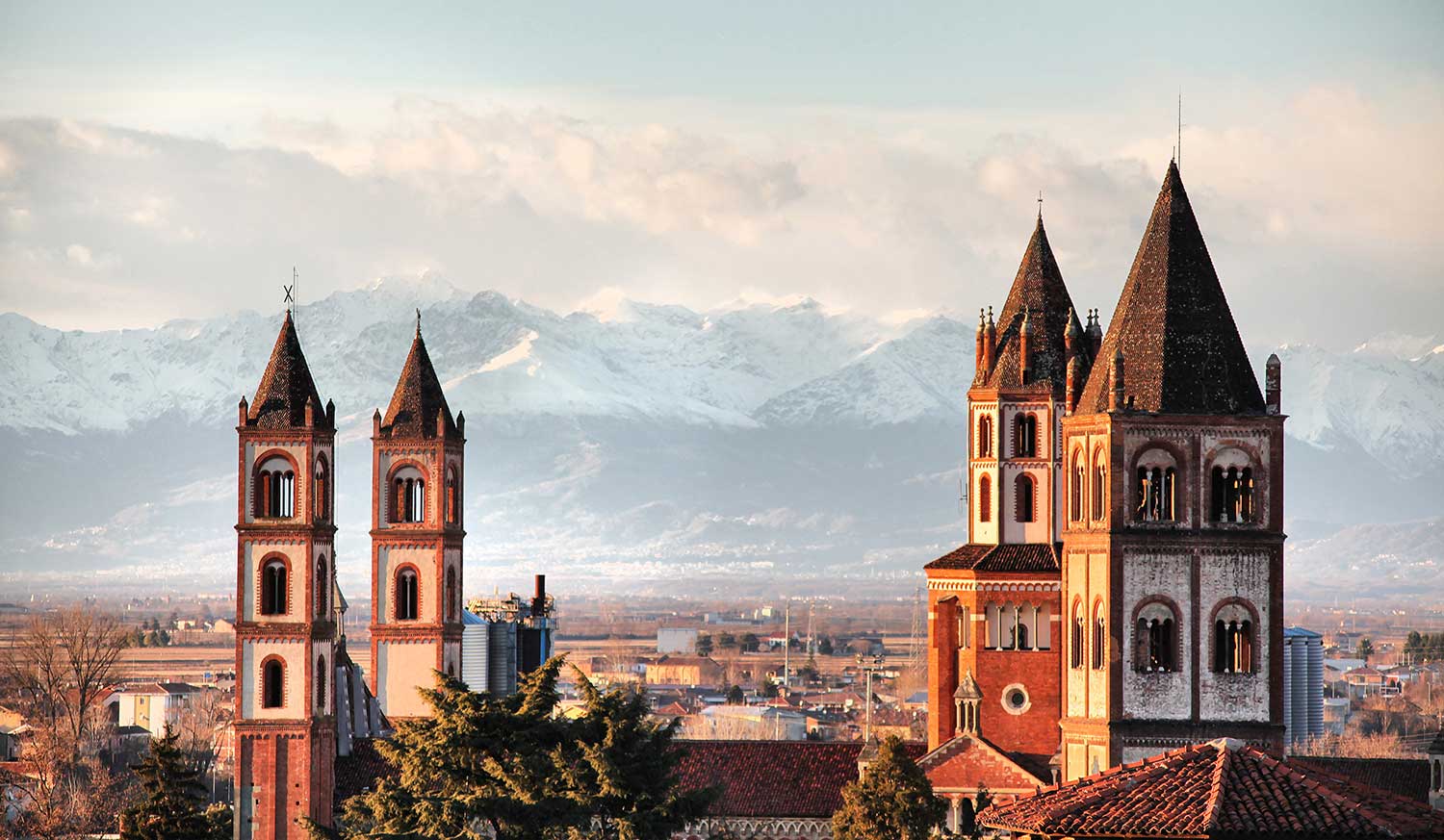
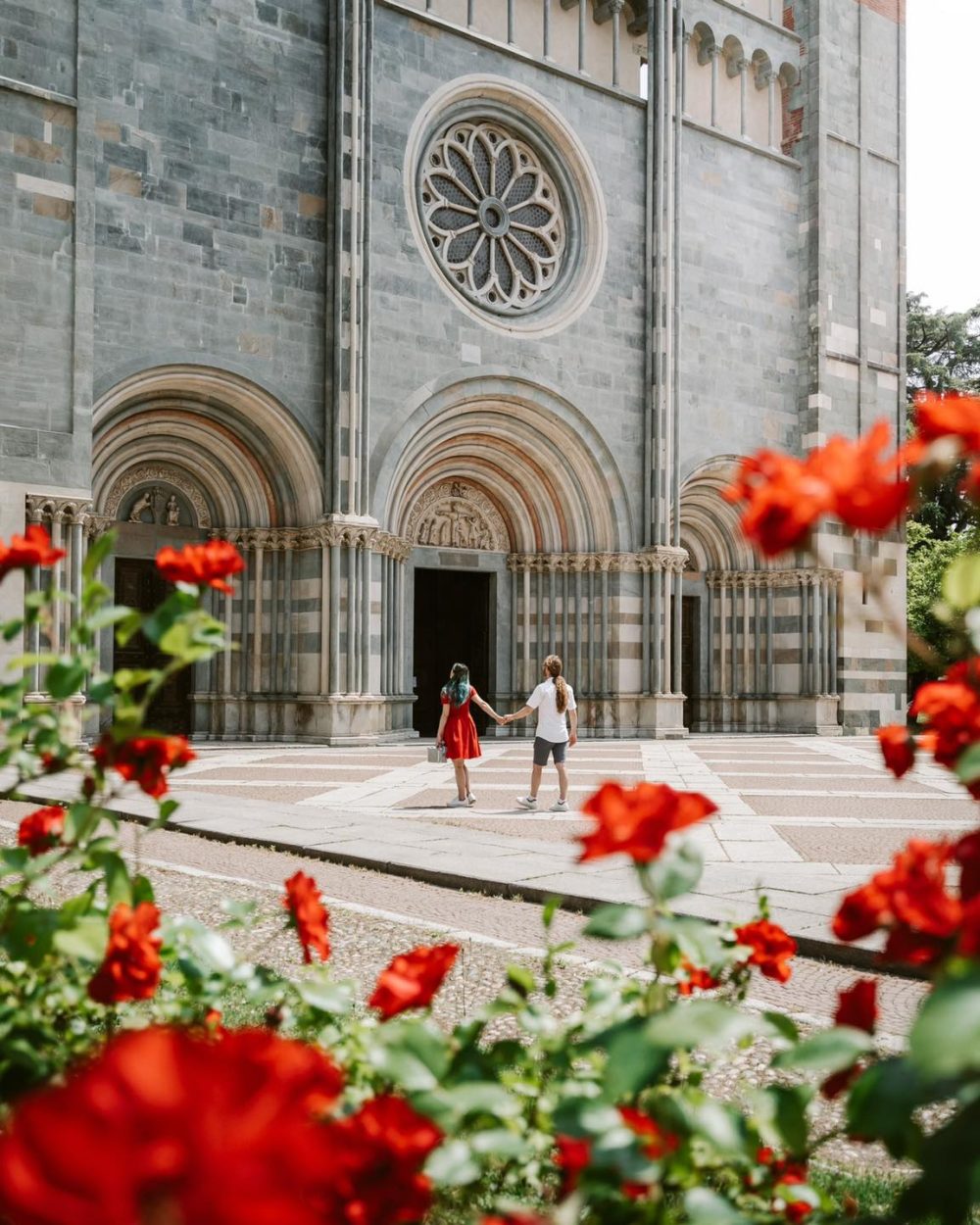
We begin with the imposing Abbey of Sant’Andrea, the symbol of the city, a jewel dating back over 800 years built at the behest of Cardinal Guala Bicheri, before continuing with a visit to the Church of Santa Caterina, home to Vercelli’s oldest confraternity, with its marvellous restored frescoes.
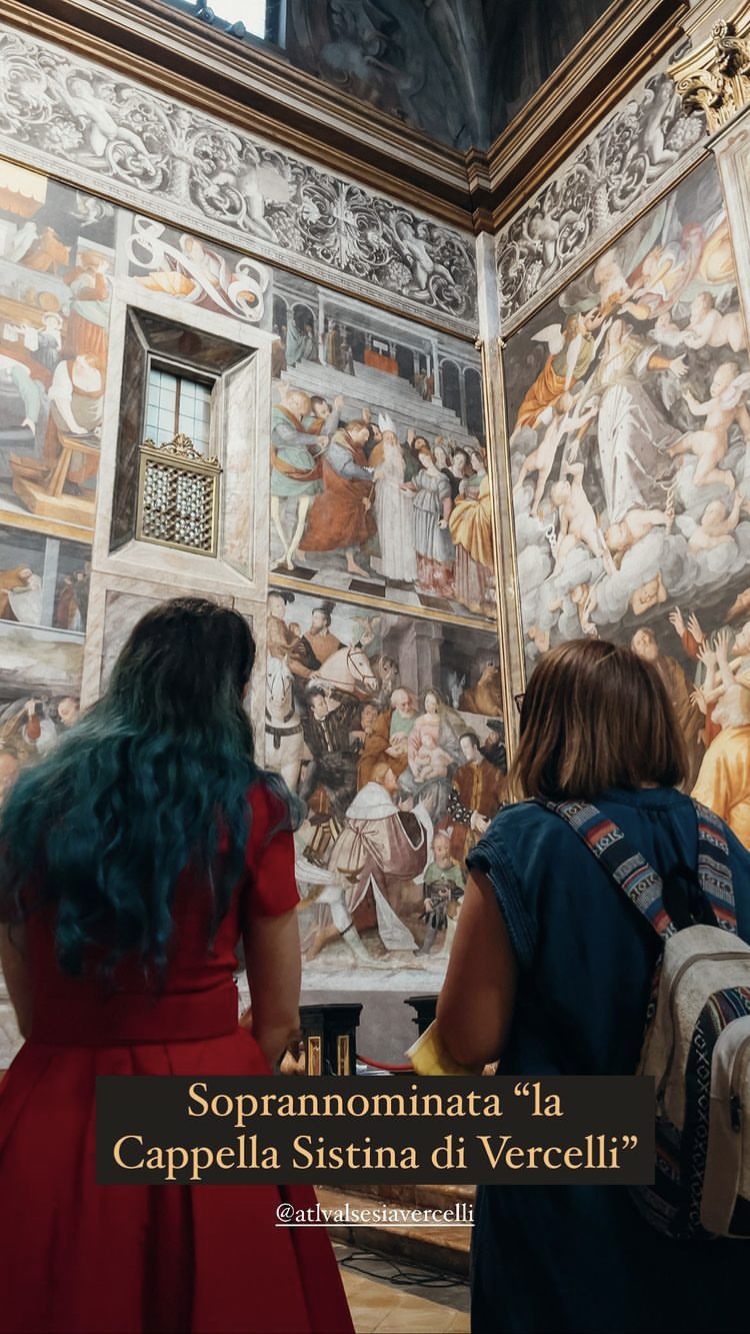
The tour continues with Vercelli Cathedral, the Cathedral of Sant’Eusebio, home to the imposing 10th-century Ottonian Crucifix and the statue of the Madonna dello Schiaffo, and the Church of San Cristoforo, nicknamed Vercelli’s ‘little Sistine Chapel’ due to the marvellous frescoes by Gaudenzio Ferrari that cover the entire interior of the church.
The tour of Vercelli continues with two highlights: the workshop for sacred icons inside the Archbishop’s Palace, where visitors can admire the meticulous craftsmanship behind the creation of religious icons, and the Capitular Library, which houses priceless manuscripts including the famous Vercelli Book, the oldest religious text in the Anglo-Saxon language.
itinerari religiosi
Identikit
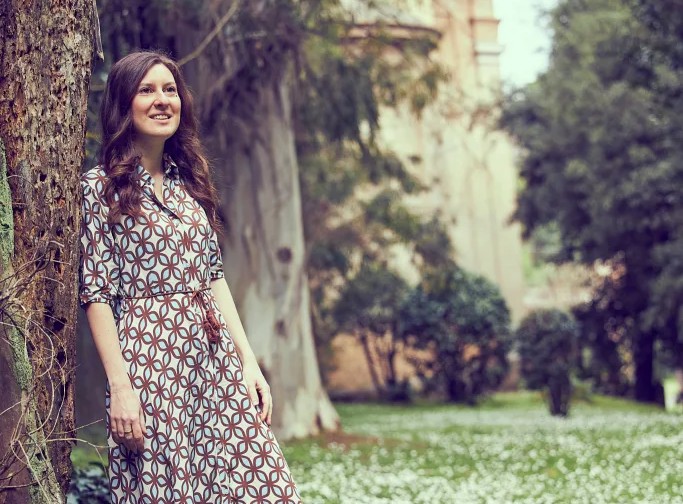
Name: Sara Alessandrini
Origin: Rome
Interests: Religious Tourism
Itinerari religiosi is a blog dedicated to religious tourism, born out of Sara Alessandrini’s great passion for travel combined with her deep faith. The blog’s aim is to describe the places she has visited through the ‘eyes of a pilgrim’, focusing on sacred sites, art and culture, and religious and ecclesiastical history.