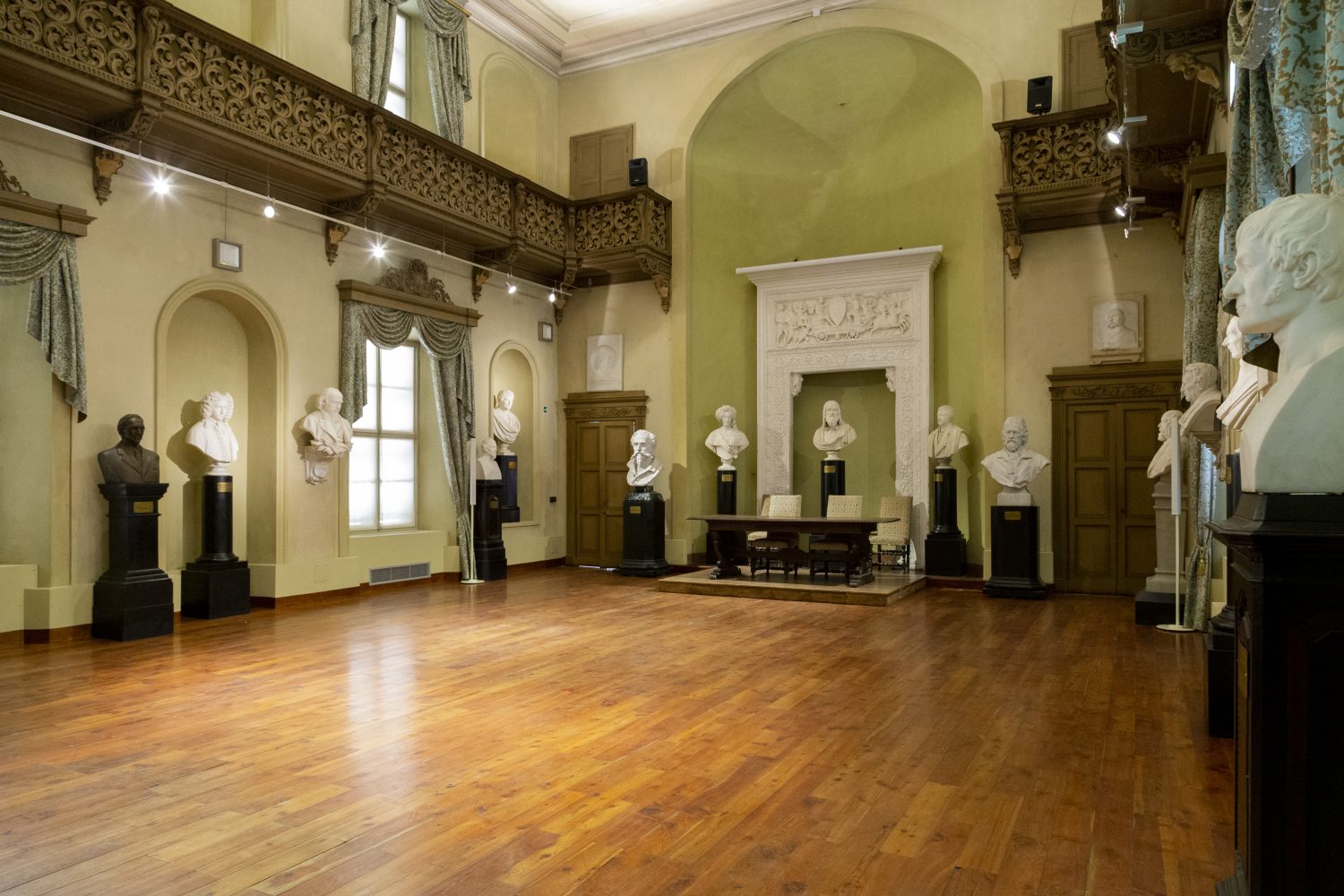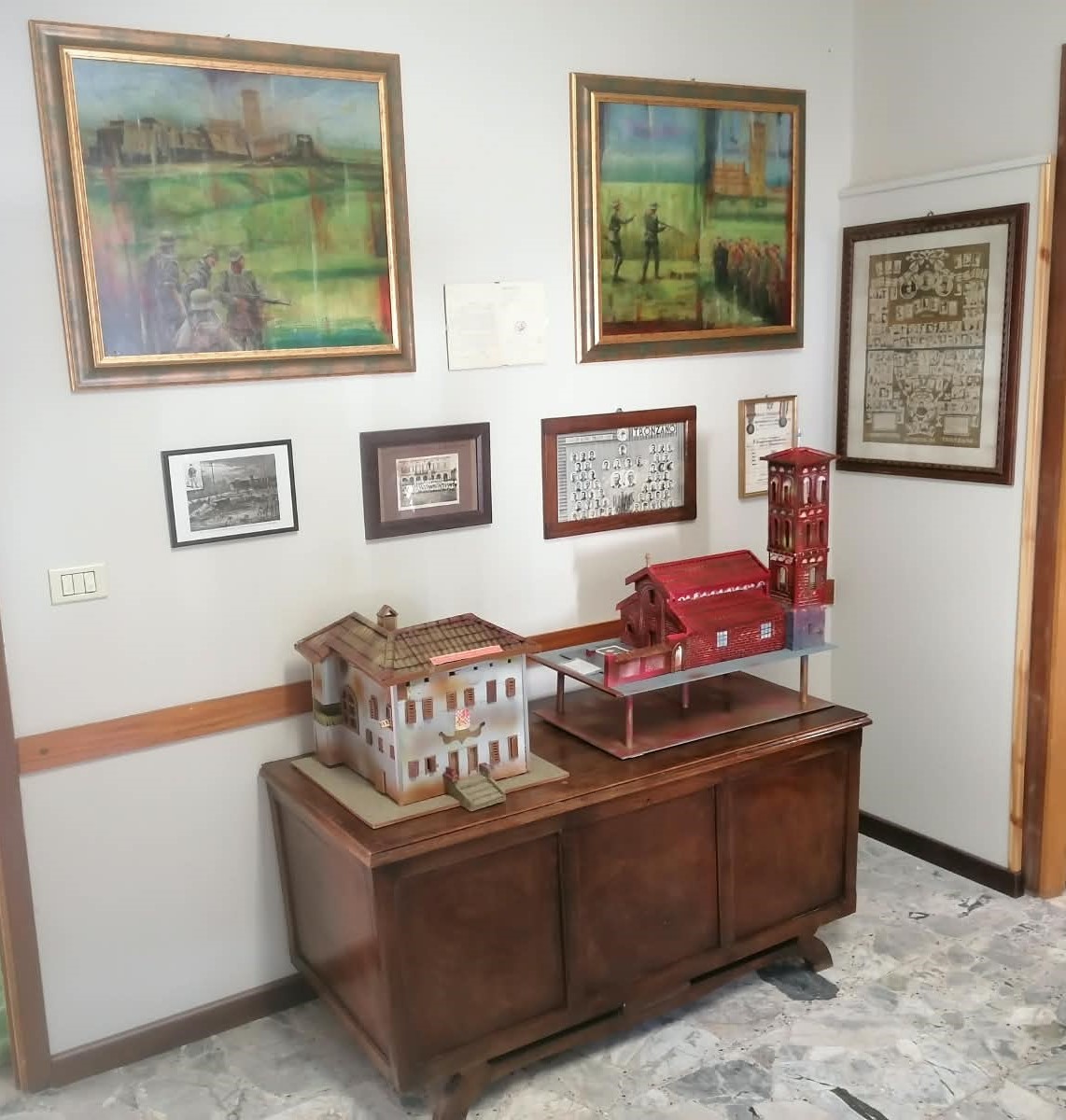
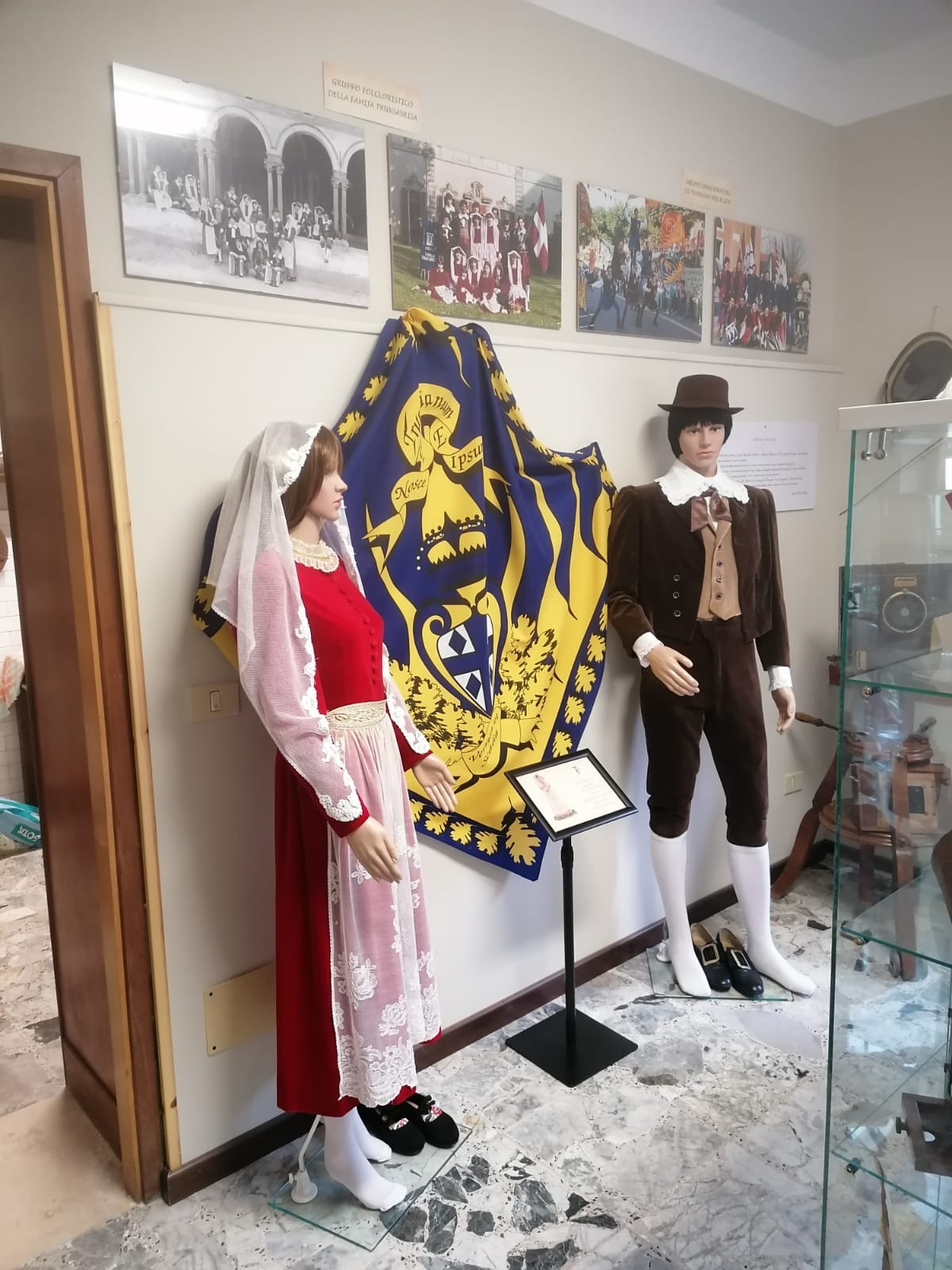
Tronzanese Civic Museum of Historical Memory
Start your journey to discover the amazing masterpieces and art treasures housed in the museums of Valsesia and the Vercelli area: unique testimonies to the cultural, social and historical life of the area.
Tronzanese Civic Museum of Historical Memory
HISTORY OF TRONZANO VERCELLESE
The history of Tronzano Vercellese is marked by its transformation from a small Roman-High Medieval settlement into a contested fiefdom, leading to the emergence of a Frankish village and an agricultural tradition centered on rice cultivation.
THE MIDDLE AGES
Originally, there were two neighboring settlements: Tronzano Superiore and Tronzano Inferiore. During the Lombard and Frankish periods, the two settlements were administered separately: one remained populated by Germanic rulers (TRUENTIANUM), while the other was predominantly inhabited by Italo-Roman populations (ALTER TRUENTIANUM). In the early 13th century, due to conflicts between local lords and the municipality of Vercelli, the settlement suffered severe devastation. On February 12, 1256, the inhabitants of the two settlements—who until then had been predominantly serfs—united to found a single “free town,” thereby partially freeing themselves from their feudal lords. The municipality was officially established by dividing the land between the population and the former feudal lords, and it enjoyed special tax exemptions to encourage repopulation.
MODERN AND CONTEMPORARY ERA
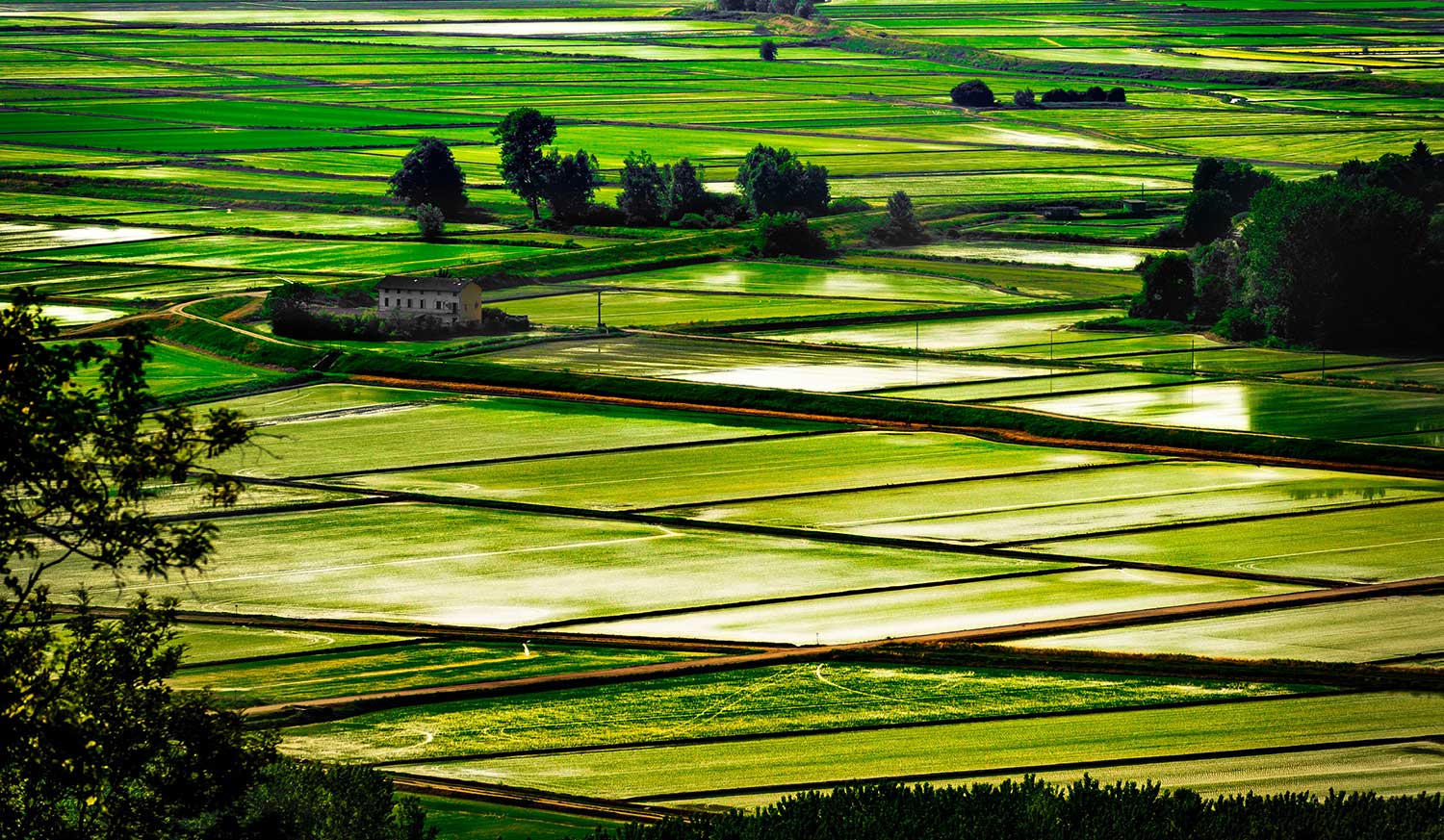
Over the centuries, the economy became tied to rice cultivation, facilitated by the irrigation canal infrastructure of the plain. The construction of the CAVOUR CANAL (1863–1866) enabled large-scale irrigation and permanently transformed the territory into one of Italy’s most fertile rice-growing regions
Come arrivare
info e contatti
highlights and must-see places
Art and culture, enchanting landscapes, ancient traditions, and excellent food and wine.